Why Settle for Acceptable Versus Optimal Outcomes?
New 3D printed technology makes lower extremity surgeons architects of restoration, not adaptation.
The future of surgery will be shaped less by what our tools can do than by how well our systems help humans think when it matters most. The question is no longer whether the OR will evolve. It’s who will lead the transition
The integration of AI and human skills is poised to revolutionize surgical practices.
Medivis recently raised $20 million in a Series A funding round that included investments from Mayo Clinic, Bob Iger and Kevin Durant. The New York City-based company's technology can be thought of as a “virtual GPS system” for surgeons — it helps them navigate complex anatomical landscapes during operations and gives them a more accurate, intuitive understanding of the anatomy with which they're dealing.
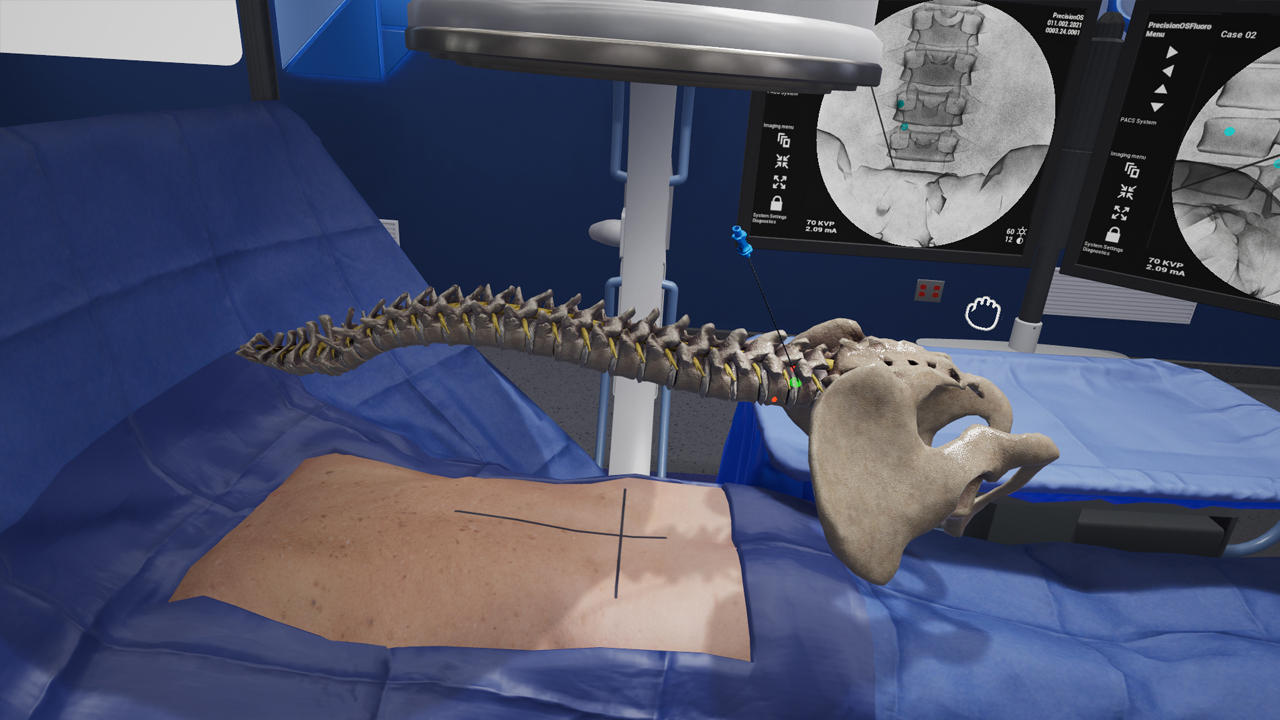
The immersive medical education software company is applying its medical-grade virtual reality platform to train surgeons.
"[Being] the CEO of a publicly traded company is far more stressful than doing cardiac surgery," Qualcomm Life CMO Dr. James Mault said during a Tales from the Trenches event at Matter on March 28.
The Michigan team is pushing its new prescribing guidelines online, in hopes of encouraging other hospitals to adopt similar practices.
Toby Cosgrove's successor is Tomislav Mihaljevic, a cardiothoracic surgeon and the CEO of Cleveland Clinic Abu Dhabi. He will take the reins January 1.
Aphelion Capital led the round for the Chicago-based startup, whose solution focuses on improving communication and coordination in the operating room.
New research finds that the act of disclosure, combined with stress from the procedure gone wrong, can be an anxious experience for some doctors — and more training is needed to help them engage in these difficult conversations.
The videos are not peer-reviewed before posting. Instead, GIBLIB is relying on the collective wisdom of physicians to determine which videos to prominently feature.
It wasn't the story itself or anything about healthfinch that was controversial, though. It was more about the idea of electronic medical records in the first place.
In an investigation published Sunday, The Austin (Texas) American-Statesman could find no specific case of someone being charged with fraud related to neuromonitoring, but payers and regulators are concerned.